
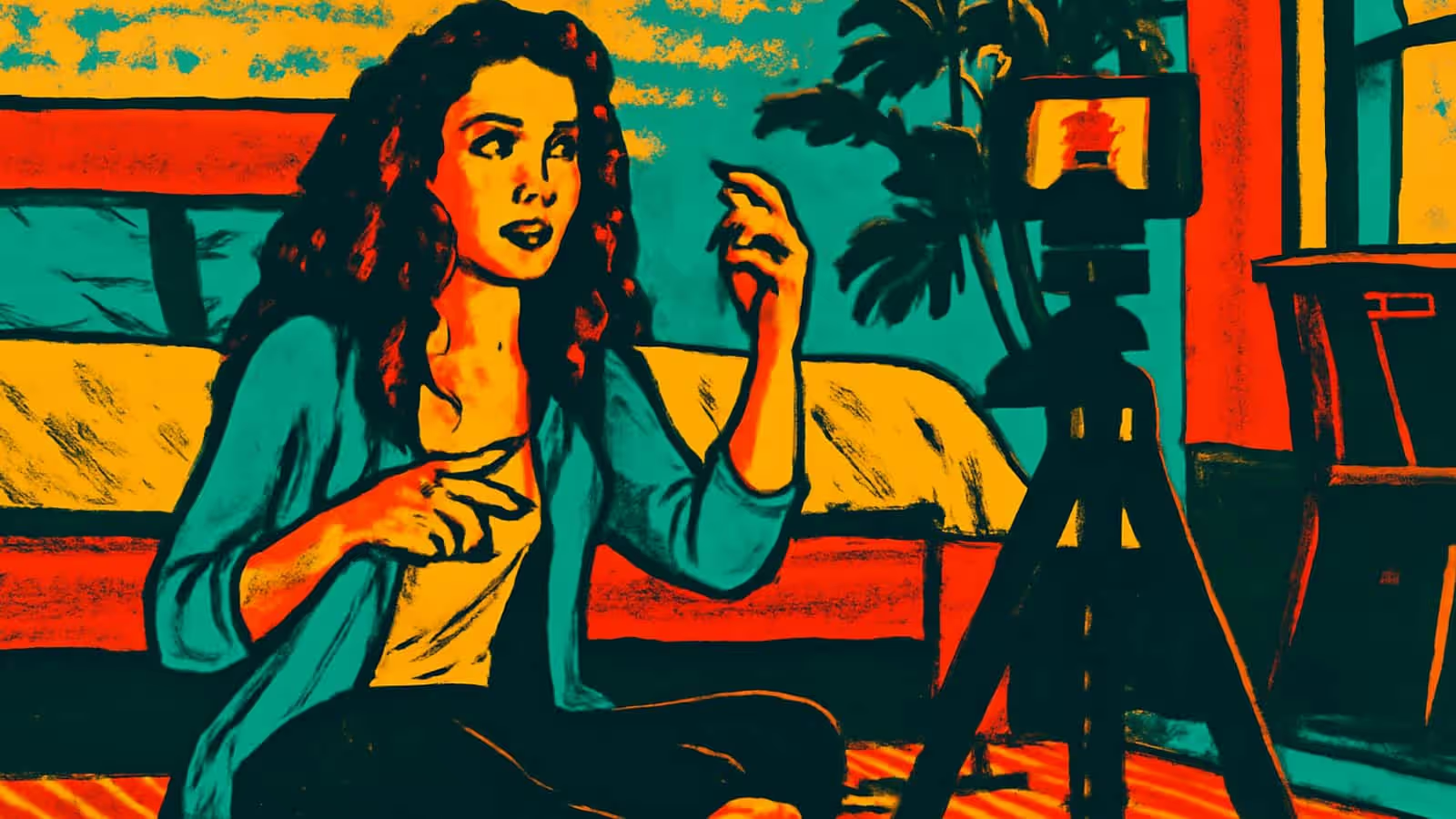
TikTok and mental health is one of the most searched questions in wellbeing right now, and for good reason. The app is designed to hold your attention, and for many people it does that a little too well. The honest answer from the research is not that TikTok is simply good or bad. It is that the effect depends far more on how you use it, and how much, than on the app itself. This guide walks through what the evidence suggests, with a couple of simple interactive charts, then offers practical ways to keep the good parts while protecting your mood.
Why TikTok is so hard to put down
TikTok’s core design is a feed of short, unpredictable videos chosen by a recommendation system that learns what keeps you watching. Each swipe is a small gamble: the next clip might be boring, or it might be exactly what you love. That “variable reward” pattern taps the brain’s reward chemistry, releasing dopamine in a way that keeps you reaching for the next video, much as a slot machine keeps a player pulling the lever. This is not a sign that anything is wrong with you. It is the product working as intended, and it explains why five minutes can quietly become an hour.
The problem is not the dopamine itself, which is a normal part of motivation and pleasure. It is that an endless feed can crowd out the things that actually protect mental health: sleep, movement, focus, and time with people in the room.
What the research links to heavy use
Reviews of social media and wellbeing, including advisories from the U.S. Surgeon General and the American Psychological Association, point to a consistent pattern rather than a single dramatic harm. [surgeon-general-2023] The downsides tend to be dose-dependent, meaning they grow with the number of hours per day, and they depend on the style of use. [commonsense-2021] The chart below shows the shape of those relationships. The figures are illustrative, drawn to match the direction the research describes rather than exact measured values.
These charts show the shape of relationships described in reviews of social media and wellbeing, such as the U.S. Surgeon General (2023) and APA (2023) advisories. Levels are illustrative, not exact figures.
Two patterns stand out. First, more time is associated with more difficulty, particularly once use climbs past a couple of hours a day and starts eating into sleep. Second, passive scrolling, where you consume video after video without interacting, tends to be linked with lower mood than active use such as messaging friends or making your own content. [apa-2023] In other words, leaning back and endlessly watching is the riskier mode; leaning in and connecting is gentler.
The most common downsides
- Sleep. Late-night scrolling delays sleep and shortens it, and poor sleep is one of the strongest drivers of low mood and anxiety. If TikTok touches only one thing, it is often sleep. Our guide to sleep has practical fixes.
- Social comparison. A feed of highlights, filtered faces, and seemingly perfect lives makes it easy to measure yourself against an impossible standard.
- Attention. A stream of very short clips can make slower, deeper tasks feel harder to settle into.
- Body image and anxiety. Appearance-focused content and a sense of always being watched can feed body-image pressure and worry, themes we explore in our anxiety hub and in how anxious users engage with algorithmic feeds.
The other side: TikTok is not all harm
It would be dishonest to tell only the negative half of the story. For many people, TikTok is a genuine source of connection, humour, creativity, learning, and mental-health awareness. Communities form around shared struggles, and feeling understood can reduce isolation. The same research that flags risks also notes real benefits, which is why quitting is not the only sensible response. Toggle the chart below to see both sides.
A balanced view: the evidence points to both risks and benefits, and individual experience varies widely. Levels are illustrative.
The takeaway is balance, not fear. The aim for most people is to keep what genuinely adds to their life and trim the habits that reliably leave them feeling worse.
Who is most affected
Effects are not evenly spread. Adolescents and young adults appear more sensitive, partly because identity and social standing feel especially high-stakes during those years and partly because developing brains are still building the brakes that help resist a compelling feed. People already living with anxiety, low mood, or body-image concerns can also be more affected, since the feed can amplify whatever you bring to it. None of this means anyone is doomed to harm; it means these groups benefit most from thoughtful habits.
How to build a healthier TikTok habit
You do not have to delete the app to feel better. A few changes tend to help the most:
- Protect sleep first. Keep the phone out of the bedroom, or at least stop scrolling an hour before bed. This single change often lifts mood within days.
- Curate your feed. Skip quickly, hold and mark “not interested,” and follow accounts that leave you feeling better. The algorithm learns from what you linger on, so linger deliberately.
- Set a limit. Use the app’s built-in screen-time tools, or a timer, so use stays a choice rather than a default.
- Swap passive for active. Trade some silent scrolling for messaging a friend, commenting, or creating.
- Notice how you feel. Check your mood before and after a session. If you often feel worse, treat that as useful data and adjust.
When to seek more support
If scrolling feels genuinely out of your control, if it is fuelling anxiety, low mood, or poor sleep that will not shift, or if it is crowding out the things you care about, it is worth talking to someone. A doctor or mental health professional can help, and a short anxiety self-assessment or one of our other self-assessment tools can help you put words to how you are feeling first.
How MyFreud can help
MyFreud can help you build a calmer relationship with your phone and your feed. With mood tracking you can see how scrolling actually affects you over time, private journaling gives you a place to notice triggers and comparison spirals, and short guided coaching sessions offer practical techniques to cut back, wind down before bed, and reset your attention. It is a gentle, private companion for turning a hard-to-break habit into a healthier one.
Download MyFreud and start today: App Store or Google Play.